Home & office security
Fingerprint safes are quietly replacing keys and PIN pads across the UAE
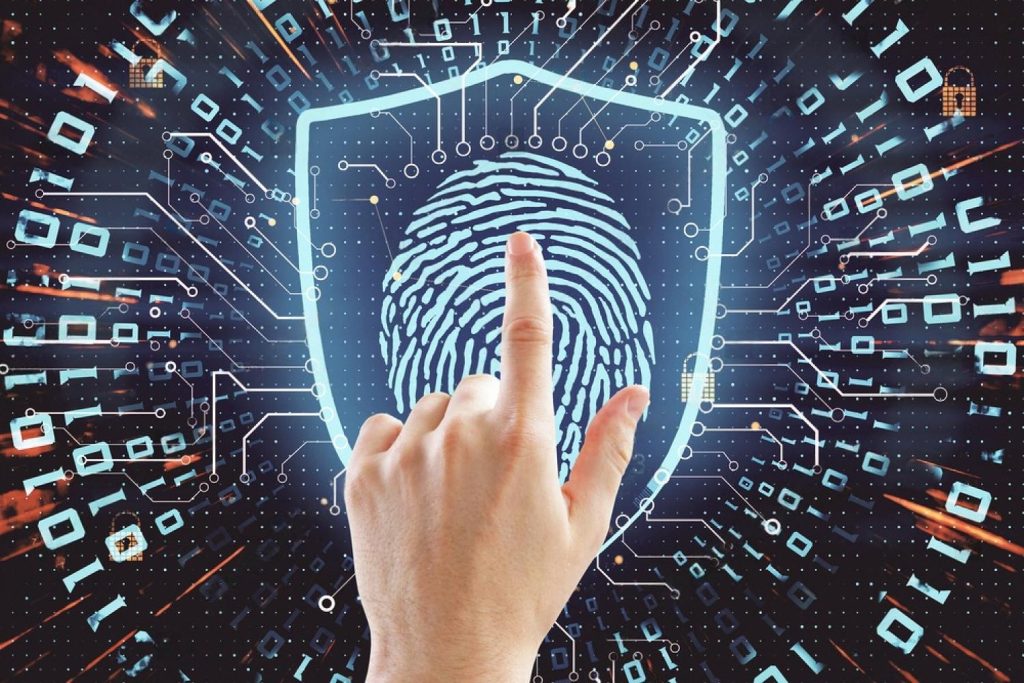
Walk into a modern villa in Jumeirah or a boutique jewellery shop in Deira and you will notice a shift. The clunky rotary dial and the little brass key are gone. In their place sits a slim panel with a fingerprint reader, sometimes a small camera for iris scanning, and a battery that lasts a year. The reason is simple: biometrics are faster, harder to fake, and easier to manage than anything that came before.
Why the shift
The problem with keys and codes
Keys get lost in taxis, left in hotel rooms, or copied at a hardware kiosk in fifteen minutes. PIN codes get watched over the shoulder, written on the back of a passport photocopy, or guessed by a family member who knows your birthday. Both methods share the same weakness: they rely on something you can lose or something someone can learn.
A fingerprint is different. You cannot forget it at the beach club. You cannot leave it in your other jacket. And unless someone is willing to take rather drastic action, they cannot copy it either. That single shift, from something you carry to something you are, is why biometric safes are pulling ahead in UAE homes, hotels, clinics, and small businesses.
Trend 1: Fingerprints are becoming the default, not the upgrade
Two years ago, a fingerprint scanner was the premium option at electronics stores in Dubai Mall or Sharjah City Centre. Today it is often the entry model. Prices have dropped, sensor quality has improved, and manufacturers are shipping keypads only as a backup layer. Shoppers looking for a safe box in Dubai now expect biometric access as a standard feature rather than a luxury add-on.
- Faster access. A finger on the sensor opens the door in well under a second, faster than punching a six-digit code.
- Nothing to remember. No PIN written on a sticky note, no key hidden in a drawer.
- No lockout from a dead memory. Codes get forgotten after long holidays; fingers do not.
- Backup layers stay. Most models still include a physical override key and a numeric code for emergencies.

Trend 2: Multi-user households and small businesses drive demand
Shared access
One safe, many trusted fingers
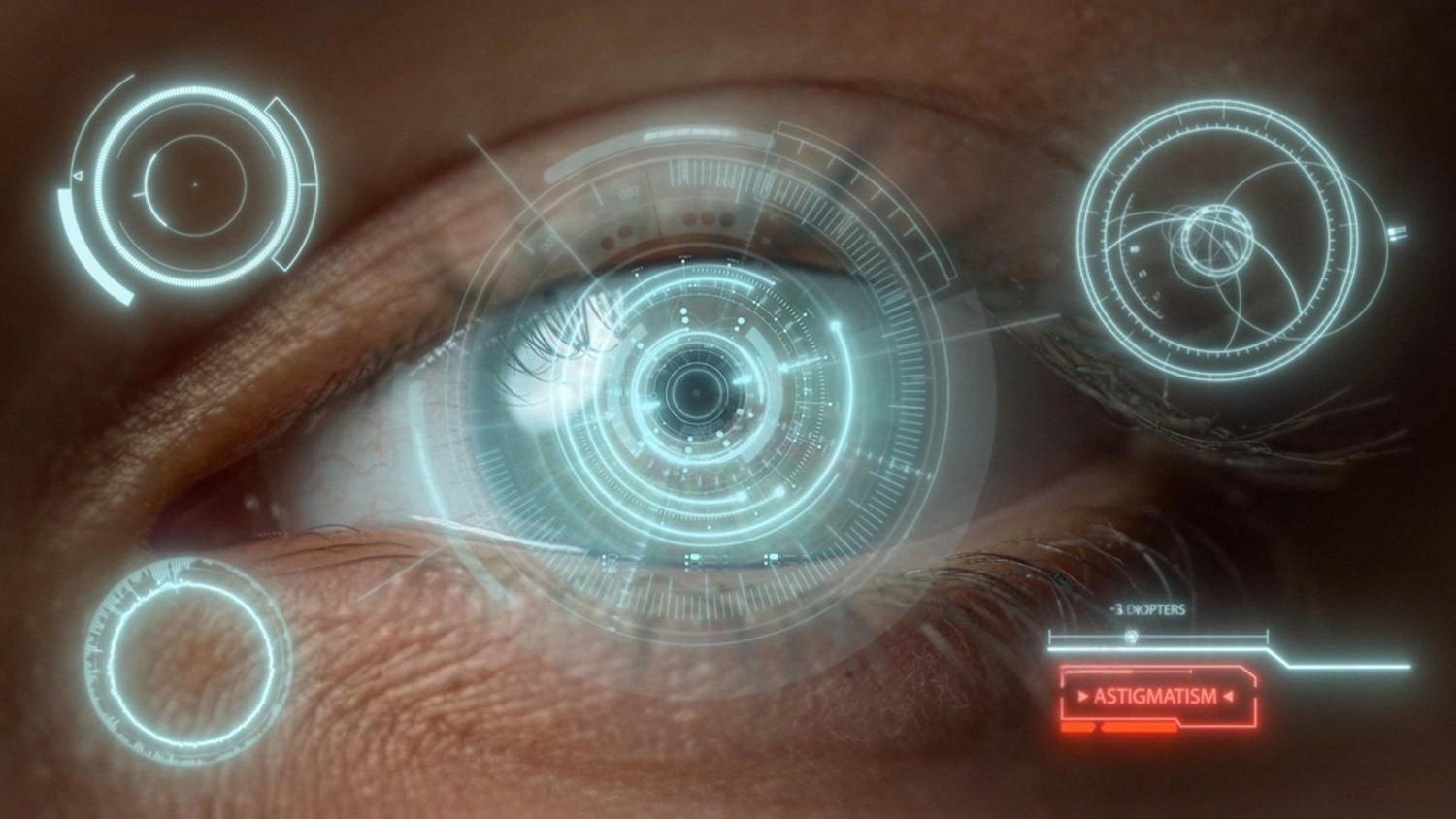
Modern biometric safes store dozens of unique fingerprints, and some higher-end models add iris recognition for a second biometric layer. A family in Abu Dhabi can enrol both parents, the two older children, and the housekeeper, each with their own print. A jewellery workshop in Gold Souk can register the owner, the manager, and two senior craftsmen. No one needs a duplicate key, and there is no shared code floating around a WhatsApp chat.
- Add or remove a fingerprint in under a minute
- Revoke access instantly when staff change
- Audit logs on many models show who opened the safe and when
Trend 3: Anti-spoofing sensors are closing the last loophole
The old worry about fingerprint readers, that someone could lift a print off a glass and mould a fake one, has largely faded on modern hardware. Today’s sensors check for capacitance, sub-dermal patterns, and even blood flow. According to research summarised on the Wikipedia entry on fingerprint identification the false-acceptance rate on current-generation optical and capacitive sensors sits in the range of one in fifty thousand or better. For a home or small-office safe, that is comfortably below any realistic threat.
- Capacitive sensors read the tiny electrical differences between ridges and valleys. A silicone finger fails immediately.
- Optical sensors with liveness detection look for micro-movement and light reflection patterns unique to real skin.
- Multi-spectral readers scan below the surface of the skin, so a lifted print off a coffee cup is useless.
Trend 4: Biometrics are catching up with UAE lifestyle demands
Travel-heavy owners
Residents who split time between the Emirates and London or Riyadh appreciate not carrying an extra key. The fingerprint stays with them, always.
Hot climate hardware
Newer sensors handle humid, dusty conditions far better than the first generation. Coastal apartments in Ras Al Khaimah no longer fry the electronics.
Concierge integrations
Premium residential towers now offer safes that link to building management systems, so a lost fingerprint enrolment can be reset through concierge without a locksmith.
The headline number
Under 1 second to open, up to 100 fingerprints stored, zero keys to lose
Those three numbers explain the entire category. Speed, capacity, and simplicity are the reasons a biometric safe replaces a traditional one, not the other way around.
“The next generation of home safes will not have a keyhole at all. The fingerprint will be the primary lock, and everything else, keypad, key, app, will be the fallback.”
What to look for when buying in the UAE
- Sensor type. Capacitive or multi-spectral beats older optical readers, especially in humid coastal areas.
- Print capacity. Even a small household benefits from at least 10 to 20 stored prints. Businesses should look for 50 or more.
- Backup access. Insist on both an override key and an emergency PIN. Batteries do die.
- Fire and water rating. A biometric lock is worthless if the box itself cannot survive a kitchen fire. Look for ratings certified by recognised bodies such as those listed by UL.
- Warranty and local service. A UAE-based service centre matters more than a slightly cheaper import.
The honest answer to “which safe is the most secure” has shifted. A decade ago it was a heavy mechanical dial from a specialist European maker. Today it is a well-built steel body with a modern biometric lock, ideally with iris scan as a second factor for high-value contents. The mechanical parts have not changed much; the access layer has.
For UAE buyers, that means the buying question is no longer “key or code”. It is “which biometric, how many users, and what backup”. Answer those three and the shortlist gets short fast.
Looking ahead
Expect three things to happen over the next couple of years. First, iris and vein recognition will trickle down from banking safes into premium home units, giving owners a genuine two-factor biometric lock. Second, safes will quietly join home networks, sending open-event alerts to a phone the way a doorbell camera already does. Third, prices will keep drifting downward as sensor supply expands.
None of that changes the core reason people switch. A fingerprint is the fastest, most private, and hardest-to-copy way to open a box. In a country where homes, offices, and hotel rooms are increasingly full of things worth protecting, that is enough of a reason on its own.
Frequently asked questions
Are biometric safes actually safer than traditional key or PIN safes?
For everyday home and small-business use, yes. A fingerprint cannot be copied from a keyring, guessed like a birthday PIN, or borrowed while you sleep. Modern sensors also include liveness detection, which blocks the old trick of lifting a print off a glass. The steel body and bolt work still matter, but the access layer is stronger than a keyed lock.
What happens if the battery in a fingerprint safe dies?
Almost every reputable biometric safe ships with two backups: a physical override key and an emergency PIN pad. Batteries typically last a year or more, and most units warn you with a beep or a low-battery light well before they fail. Keep a spare set of AA batteries in the same room and this is a non-issue.
Can I add multiple fingerprints for family members or staff?
Yes, and this is one of the main reasons people upgrade. Entry-level home safes store around 10 to 20 prints. Mid-range and commercial units handle 50 to 100. You can enrol or remove a print in under a minute, which is far easier than reissuing keys or resetting shared codes every time someone leaves.
Do fingerprint sensors work reliably in humid or dusty conditions common in the UAE?
Current-generation capacitive and multi-spectral sensors handle Gulf humidity, air-conditioning dust, and salt air far better than the first models from a decade ago. If you live near the coast in Dubai Marina or Fujairah, look specifically for a safe rated for humid environments and clean the sensor with a soft cloth every few months.
Can someone hack a biometric safe by copying my fingerprint?
In practice, no. Cloning a usable print requires a clean lift, specialist materials, and a sensor that lacks liveness detection. Modern safes reject silicone or printed fakes because they check for skin conductivity and sub-surface features. For the level of threat a home or small office faces, this attack is not realistic.
Is a biometric safe worth the extra cost over a keyed model?
If you value fast access, shared use, and never worrying about a lost key, the answer is usually yes. The price gap has narrowed sharply in the last two years. For the cost of a mid-range mechanical safe you can now get a solid biometric unit with fire rating, backup key, and multi-user support.

Biker, vegan, ukulelist, Vignelli fan and fullstack designer. Producing at the crossroads of aesthetics and programing to give life to your brand. I prefer clear logic to decoration.